Canadian winters: sand, de-icing salt and slush — keeping floors clean with robots
September 30, 2026 · 4 min read
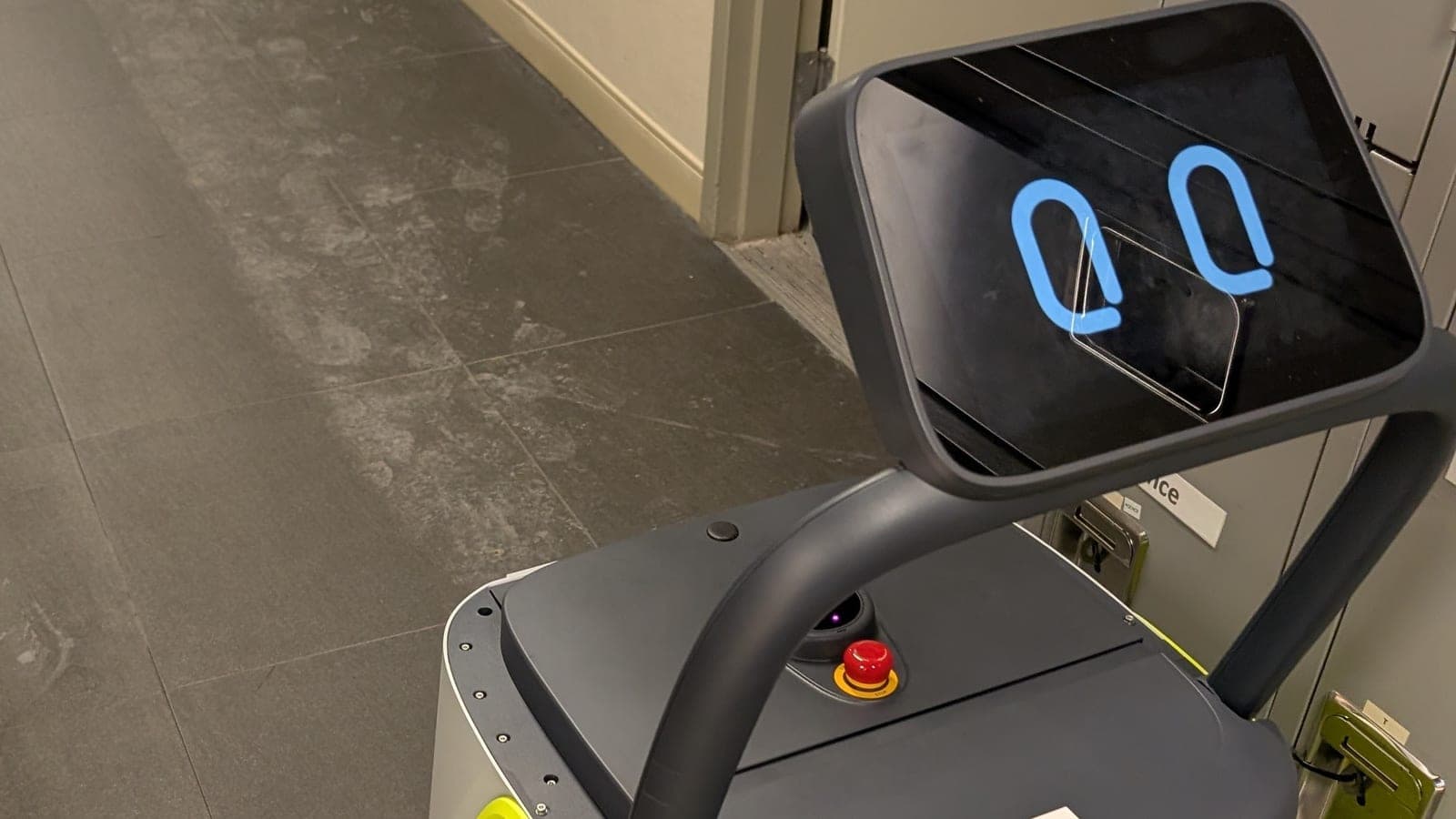
Across Canada, every winter it's the same story: from the first storm, boots carry sand, gravel, de-icing salt and slush inside. Within hours, entrances and corridors are covered in white marks, and a well-kept building looks neglected.
The good news: this is exactly the kind of repetitive task a cleaning robot does well. Here is why winter is so hard on floors, and how to organize cleaning so the season doesn't take up your whole staff.
Why winter is so hard on floors
- Sand and gravel act like sandpaper: under shoe soles, they scratch ceramic, vinyl, wood and sealed concrete.
- De-icing salt leaves white marks as it dries, dulling the floor and showing from a distance.
- Slush makes floors slippery near entrances.
- The dirt doesn't stay at the door: every trip carries it a little further into the building.
The method: stop it, pick it up, then wash
1. Stop the dirt at the door
Long enough entrance mats — a scraper mat outside, an absorbent mat inside — catch much of the water and sand before it reaches the floor. It's the first line of defence, with or without a robot.
2. Pick up sand and debris before washing
Washing a sandy floor turns the sand into mud and spreads it. Dry debris has to go first. In large spaces — warehouses, factories, big commercial entrances — a robotic sweeper such as the Marc MT1 picks up sand and gravel every day without tying up an employee. For parking garages and semi-outdoor spaces, where winter is messiest, the 3D-perception MT1 Max is built for those demanding environments.
3. Wash often to remove the salt
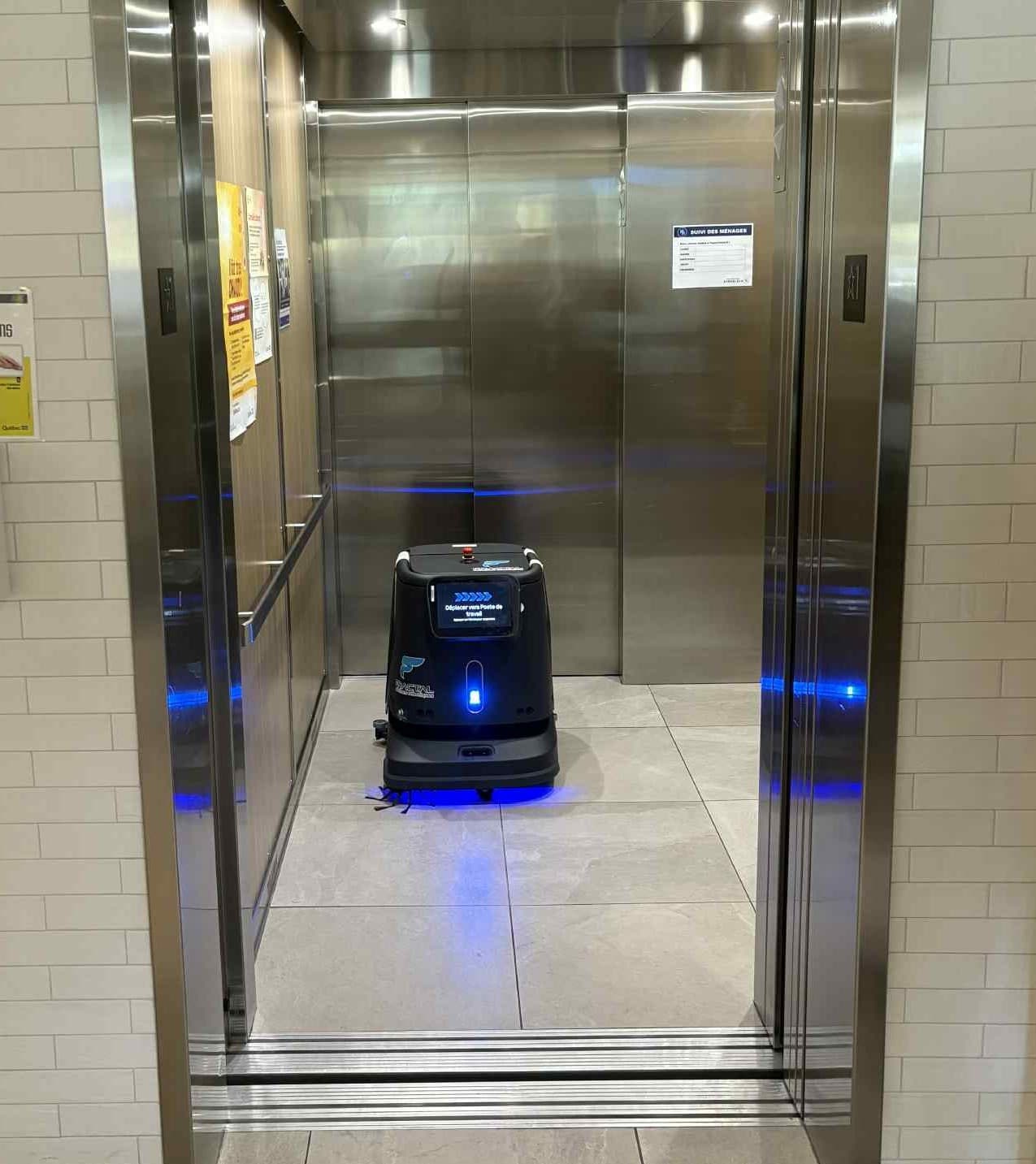
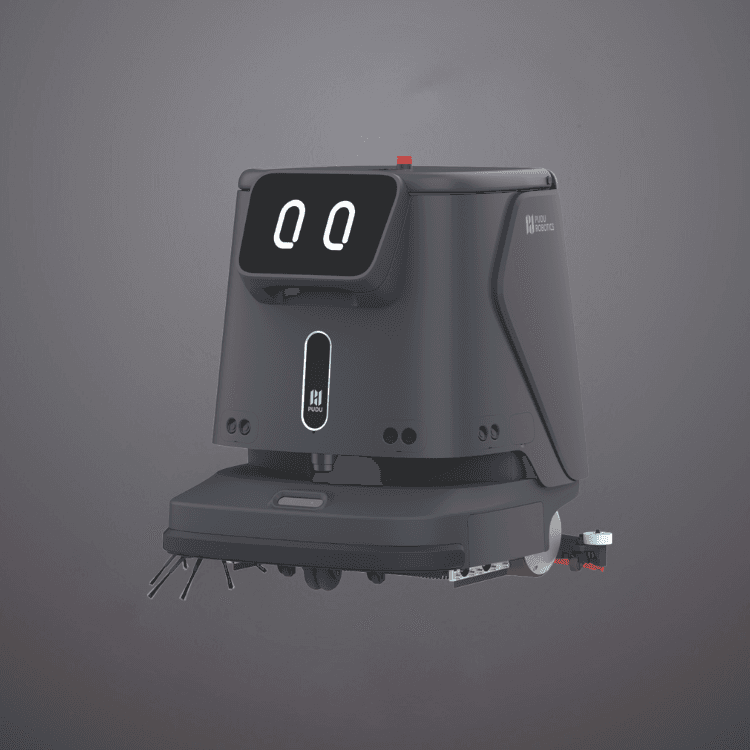
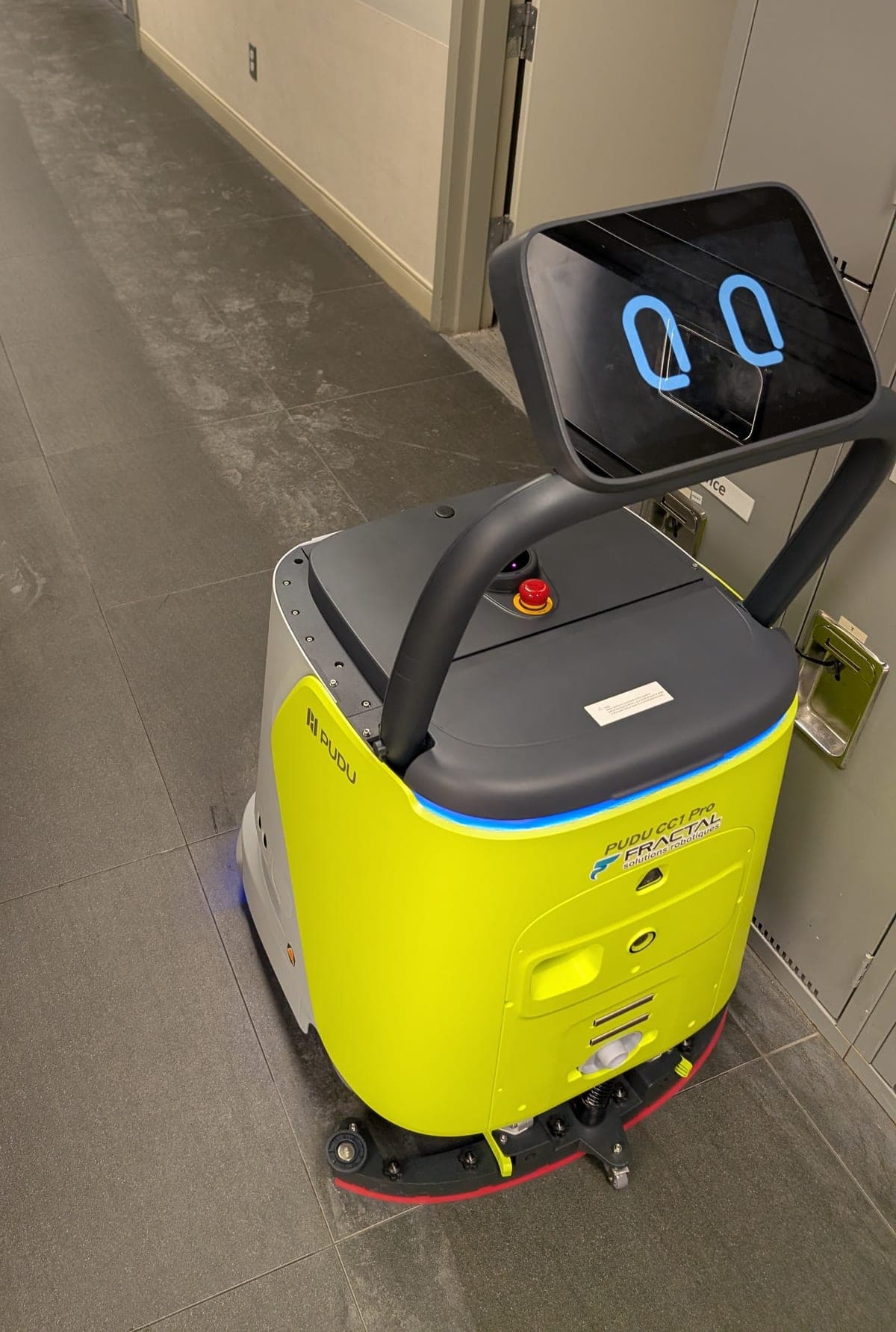
Salt marks come off with washing, but they come back with every storm. The key is frequency: wash the busiest areas every day, sometimes more than once a day. A robot such as the Carl CC1 Pro scrubs, sweeps and vacuums corridors and lobbies; for large areas, the BG1 sweeps at the front and scrubs at the back, in a single pass.
4. Don't forget the carpets
Sand also works its way into carpets in corridors, offices and lounges. The MT1 Vac, a high-capacity robotic vacuum, takes care of carpeted areas.
Why a robot changes everything in winter
- Cleaning more often no longer means overtime: you just schedule one more pass.
- Cleaning is consistent, done the same way every time, even on storm days.
- Your team focuses on what needs a person: soaked entrances, unexpected spills, outdoor access.
- Monitoring reports confirm that every zone was cleaned.
Looking after the robots during the cold season
Sand and salt also test the equipment. During winter:
- empty the dirty-water tank and rinse the filters more often: sand builds up quickly;
- check the brushes and squeegee blades, which wear faster with sand;
- keep a few spare parts on hand — brushes, filters, blades — so cleaning doesn't stop in the middle of a storm;
- adjust the schedule: more passes on entrances and main corridors for as long as the season lasts.
Estimate what winter costs you
Winter pushes cleaning frequency up, and labour hours with it. In our project calculator, enter the frequency you aim for during the cold season to see the effect on your savings. Or book a free consultation: we assess your entrances, corridors and floors before the first storm.